

Introduction:
Welding is one of the biggest challenges in manufacturing. Many businesses struggle with slow production, rising labour costs, and inconsistent weld quality. Skilled welders are also harder to hire and retain. At the same time, customers expect faster delivery and perfect results in every project. Manual welding often cannot keep up with these growing demands.
This is why more manufacturers now invest in welding automation. Modern welding robots improve speed, accuracy, and production efficiency. But choosing the right system is important because every robot is designed for different tasks. In this guide, you will learn about the different Types of Welding Robots, how they work, and which option fits your business needs best.
What Are Welding Robots?
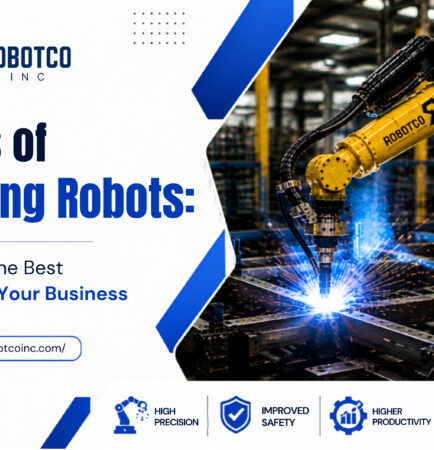
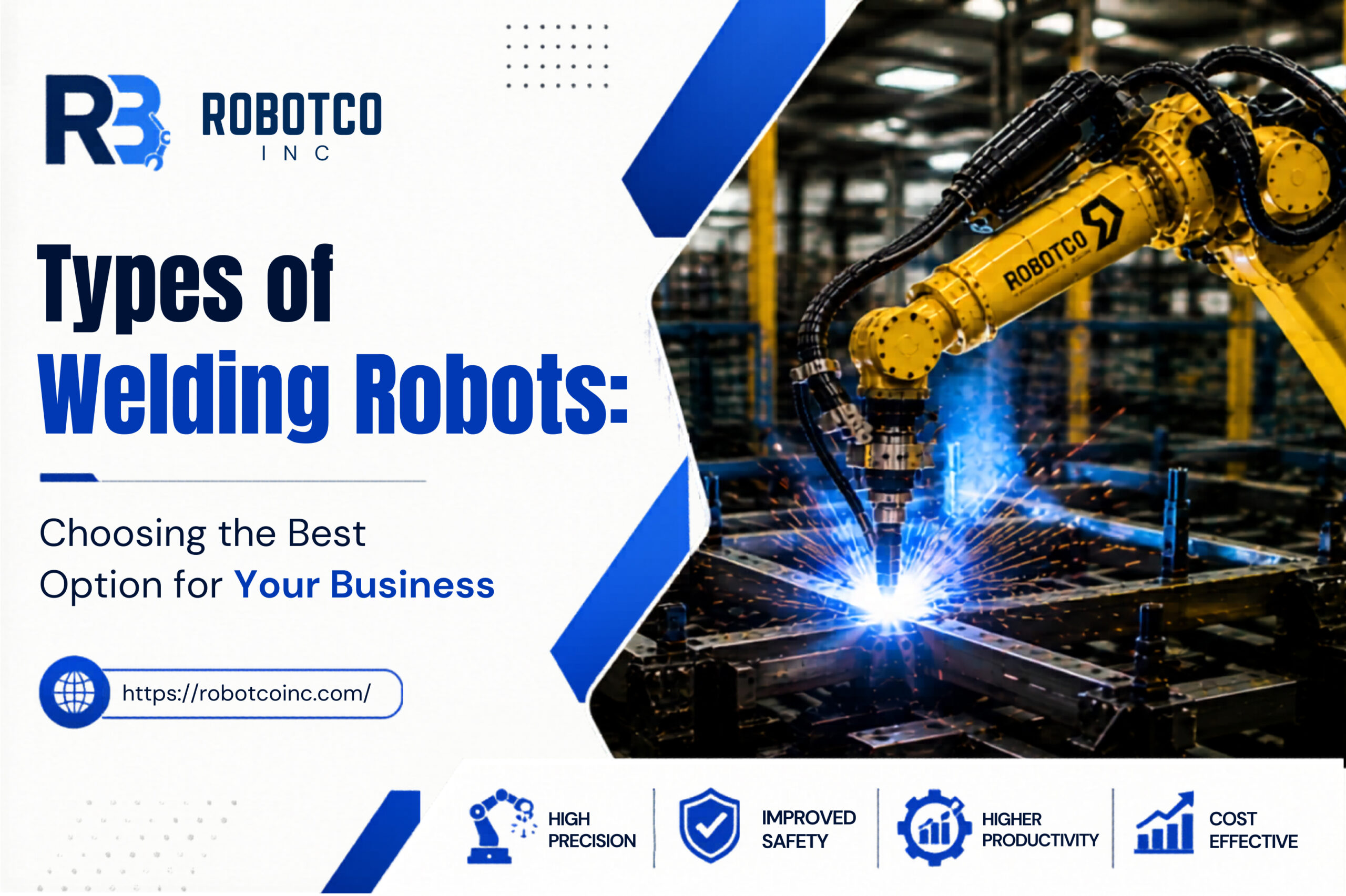
A welding robot is a machine that welds metal parts automatically. It follows programmed instructions and repeats the same weld every time. Most welding robots include a robotic arm, a welding torch, and a controller that manages the full process.
These robots are now common in automotive, aerospace, shipbuilding, and metal fabrication industries. Robotic arm welding helps businesses improve speed, reduce mistakes, and maintain consistent quality. Unlike human workers, robots do not get tired. They can work for long hours and deliver the same results in every cycle.
Types of Welding Robots: Know Your Options
Not every robot works the same way. Different types of welding robots are built for different jobs. Choosing the right one starts with understanding what each type does best. Let us break them down simply.
1. Articulated Robots
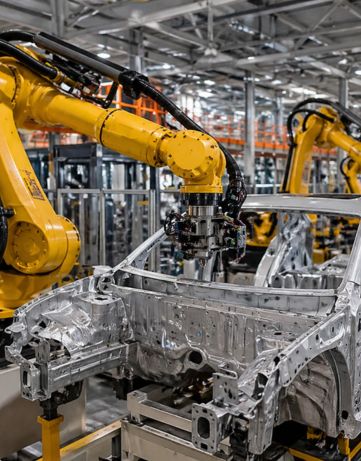
Articulated robots are the most common type you will see on a factory floor. They have multiple joints that work like a human arm. This setup helps the robot move easily in different directions. They can reach around corners, weld at odd angles, and handle complex shapes with ease.
These robots are ideal for automotive manufacturing and heavy metal fabrication. If your production involves complex, multi-angle welds on different part shapes, an articulated robot is your best bet. Most large-scale automated welding solutions in the automobile industry rely on this type.
2. Cartesian Robots
Cartesian robots follow a fixed path along three directions: horizontal, vertical, and depth. They are simple, accurate, and very easy to program.
These robots work best for flat, straight welds on large structures. Steel beam fabrication and panel welding are common use cases. They are also one of the more affordable options, which makes them popular for businesses just starting with welding automation systems.
3. SCARA Robots
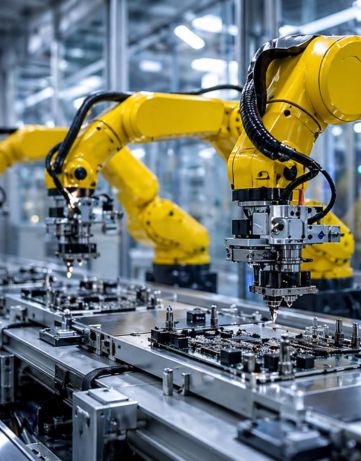
SCARA is a robotic arm that helps industries do assembly and welding work quickly and accurately.SCARA stands for Selective Compliance Articulated Robot Arm, a robotic system designed for fast and accurate industrial tasks. These robots move horizontally with great speed and precision. They are compact and fast, but they have limited vertical movement.
SCARA robots are perfect for small, lightweight parts that need quick and precise welds. Electronics manufacturing and small component assembly lines use them regularly. If your parts are small and your production speed needs to be high, SCARA robots deliver excellent welding efficiency.
4. Collaborative Robots (Cobots)
Cobots are the newest and fastest-growing category among all types of welding robots. Unlike traditional robots, cobots are designed to work alongside human workers safely. They have built-in sensors that stop the machine if a person gets too close.
Cobot welding is ideal for small and medium businesses. They are easier to program, more flexible, and significantly cheaper than full industrial robots. Many businesses using robotic welding applications are now switching to cobots for their flexibility and ease of use.
If you have a small team, limited floor space, or frequently changing product designs, a cobot might be your smartest investment.
Benefits of Welding Automation
Switching to automated welding solutions brings real results on your shop floor.
Speed: Robots weld faster than any human worker. They never slow down or take breaks. This directly improves manufacturing productivity across your entire production line.
Accuracy: Every weld is consistent. No human error. No rework. No wasted material. Robots deliver the same accurate welds on the first piece and the thousandth piece.
Cost Saving: Fewer mistakes mean less material waste. Labour costs go down. Over time, your overall production cost drops significantly.
Safety: Welding involves extreme heat, sparks, and fumes. Robots handle these dangerous conditions so your workers stay safe and healthy.
Comparison Table: Which Welding Robot Is Right for You?
Choosing between types of welding robots gets much easier when you see them side by side. Here is a simple comparison to help you decide.
| Robot Type | Cost Range | Flexibility | Best Use Case |
| Articulated Robot | $50,000 – $150,000+ | Very High | Automotive, complex multi-angle welds |
| Cartesian Robot | $20,000 – $80,000 | Medium | Large flat structures, steel beams, panels |
| SCARA Robot | $15,000 – $60,000 | Low – Medium | Small parts, electronics, fast repetitive welds |
| Collaborative Robot (Cobot) | $25,000 – $70,000 | Very High | Small businesses, mixed production, human collaboration |
Factors to Consider Before Choosing a Welding Robot
#1. Production Volume: High production lines usually need faster and more advanced welding systems. Small workshops may only need basic automation.
#2. Welding Complexity: Welding complexity is another important factor. Simple straight welds need different systems than multi-angle or curved welds.
#3. Workspace Size: Some robots need large operating areas, while compact systems fit easily into smaller factories.
#4. Programming Ease: Easy-to-program systems save time and reduce training costs, especially for small teams.
#5. Safety Requirements: Collaborative robots work safely near human workers and need less safety fencing in many applications.
#6.Future Expansion: Choose a system that can adapt if your product designs or production needs change later.
#7. Budget Planning: The lowest-cost option is not always the best choice. Reliable robot welding machines often deliver better long-term value through higher efficiency and lower labour costs.
Market Trends in Robotic Welding
- Rising Automation in Manufacturing: More factories are investing in automation to improve production speed, reduce labour dependency, and maintain consistent weld quality. This shift is helping businesses increase efficiency and handle larger production demands.
- Skilled Labour Shortage: Many industries face a shortage of experienced welders. Finding and retaining skilled workers has become difficult and expensive. Because of this, companies are moving toward robotic welding systems for stable and long-term production support.
- Growth of Small and Mid-Size Adoption: Earlier, robotic welding was mostly used by large manufacturers. Now, smaller businesses also use welding robots because modern systems are more affordable, compact, and easier to operate.
- Rapid Growth of Cobots: Collaborative robots are becoming popular because they work safely near human operators and require less complex setup. They also allow faster production changes without long downtime.
- Smarter and Flexible Technology: The robotics welding market is moving toward intelligent systems with better sensors, AI-based monitoring, and easy programming features. These technologies improve accuracy and reduce production errors.
- Future Industry Expansion: The robot welding industry will continue growing as manufacturers focus more on smart factories, flexible production lines, and long-term cost savings through automation.
Why Choose Robotco Inc?
Industry Expertise:
Robotco Inc has strong experience in robotic welding solutions across multiple industries. Their team understands different production challenges and recommends systems based on real manufacturing needs.
Custom Automation Solutions:
Every factory has different requirements. Robotco Inc studies your workflow, production goals, and budget before designing a welding automation system that fits your operations properly.
Complete Installation Support:
The company manages the full setup process, including installation, system integration, and production line support. This helps businesses start automation with minimal disruption.
Operator Training Assistance:
Robotco Inc provides proper training so your team can operate and manage the welding system confidently. Easy guidance helps reduce learning time and improve productivity faster.
Conclusion
Welding automation has become essential for modern manufacturing. The right welding robot can improve production speed, maintain consistent quality, and reduce long-term labour costs. Different systems are designed for different tasks, so choosing the right solution depends on your production needs, budget, and workflow.
Articulated robots handle complex welding applications, Cartesian robots work well for straight welds, SCARA robots support fast repetitive tasks, and cobots provide flexibility for growing businesses. Investing in the right automation system helps companies improve efficiency, workplace safety, and overall productivity.
Ready to upgrade your welding operations? Contact Robotco Inc today for a free consultation and find the right robotic welding solution for your business.