


Introduction: The Evolution of Manufacturing
Manufacturing has undergone a massive transformation over the last century. From manual craftsmanship to mechanised production and now intelligent automation, every phase has focused on improving efficiency, speed, and consistency.
In today’s competitive landscape, businesses cannot rely on traditional production methods. Rising labour costs, increasing demand for precision, and global competition are pushing manufacturers toward smarter solutions. This is where the automated assembly line becomes critical.
Instead of relying on human effort for repetitive tasks, manufacturers are adopting systems that operate continuously with minimal error. This shift is not just about cost reduction—it’s about building a scalable and future-ready production environment.
What Is an Automated Assembly Line?
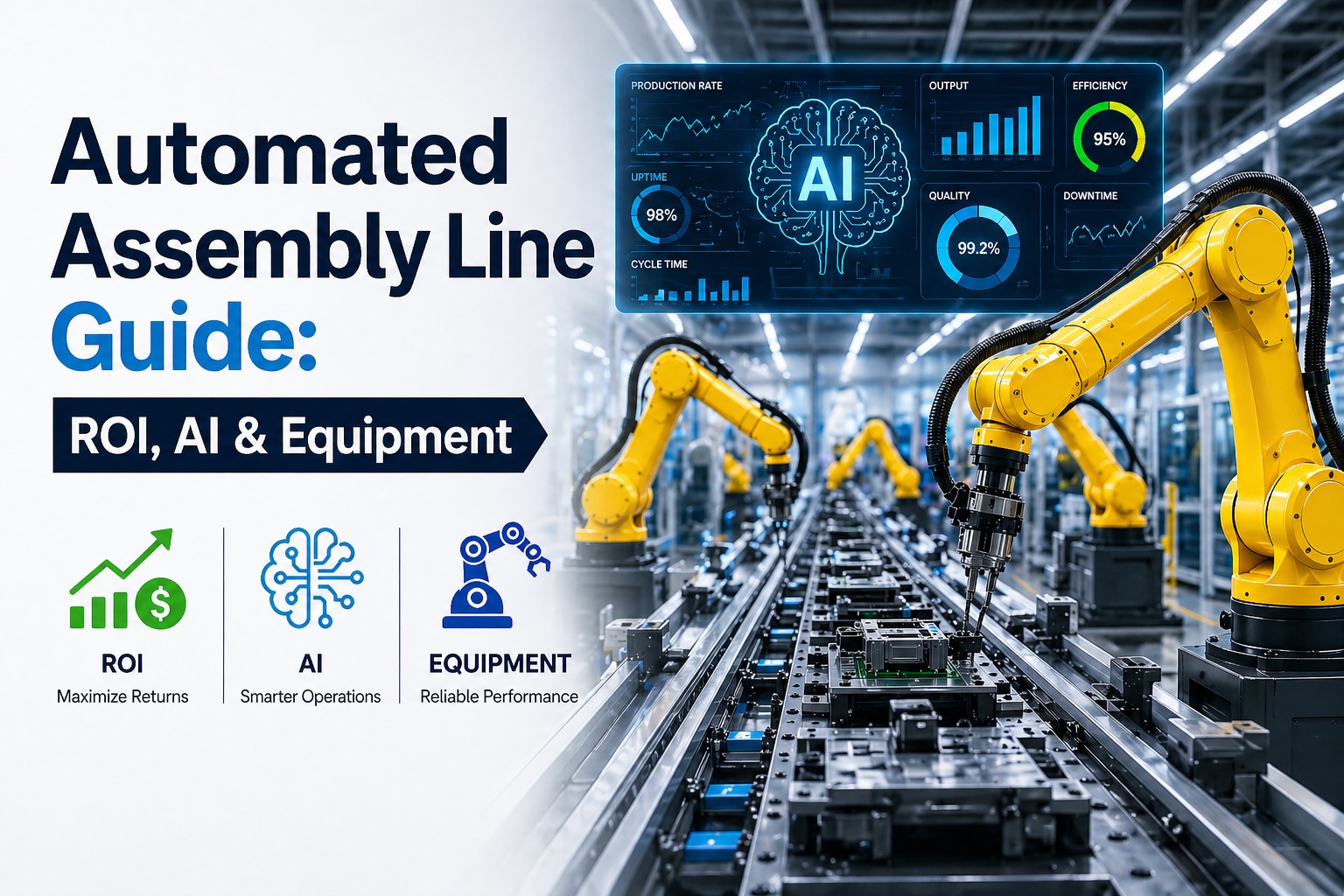
An automated assembly line is a structured production system where machines, robotics, and software work together to perform manufacturing tasks with minimal human intervention.
These systems are designed to ensure:
- Consistent product quality
- Predictable cycle times
- Reduced operational variability
Unlike manual production setups, an automated assembly line eliminates fatigue-related errors and ensures that every unit produced meets the same standards.
Today, industries such as electronics, automotive, and medical devices depend heavily on such systems to maintain competitiveness and meet strict regulatory requirements.
Types of Assembly Line Configurations
Choosing the right configuration is essential for maximizing efficiency and return on investment.
#1.Fully Automated Systems
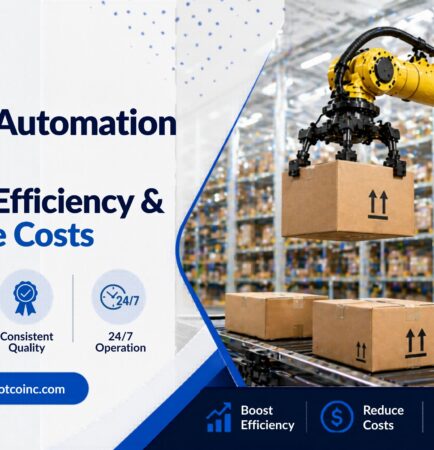
A fully automated assembly machine handles every stage of production without manual input. From raw material feeding to packaging, everything is controlled by machines and software.
These systems are best suited for:
- High-volume production
- Standardized products
- Long production cycles
The main advantage is maximum efficiency, while the challenge lies in higher initial investment and lower flexibility.
#2.Semi-Automated Systems
Semi-automated setups combine machines with human workers. Machines perform repetitive and precision-based tasks, while humans handle inspection and decision-making processes.
This model is often the first step toward full assembly line automation, allowing businesses to transition gradually without major disruptions.
#3.Linear vs Rotary Systems
Production systems are also categorized based on layout:
- Linear systems: Best for flexible production and multiple product variants
- Rotary systems: Ideal for high-speed, single-product manufacturing
Each configuration offers unique advantages depending on production goals and scalability requirements.
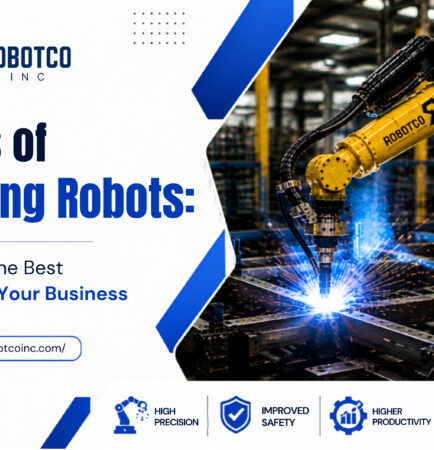
Read More: Types of Welding Robots: Choosing the Best Option for Your Business
Core Components of Modern Assembly Systems
The efficiency of any robot assembly line depends on the integration of multiple components working together seamlessly.
#1.Industrial Robots
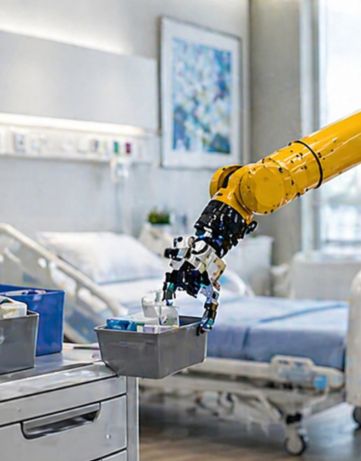
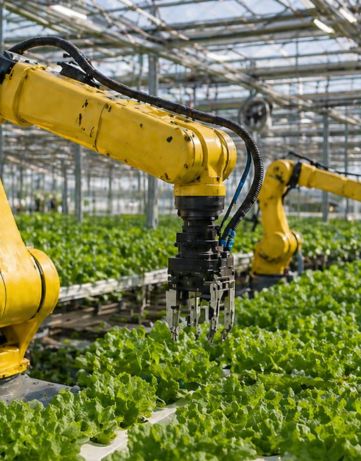
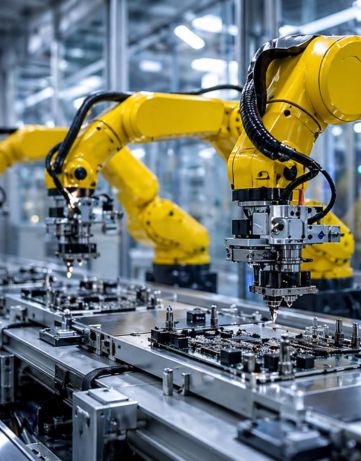
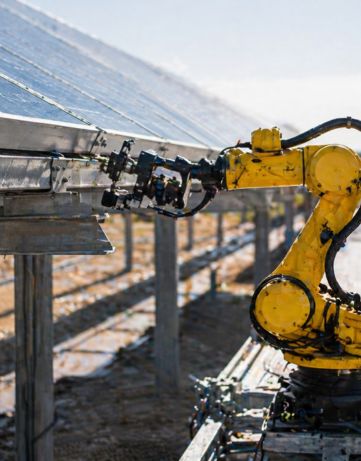
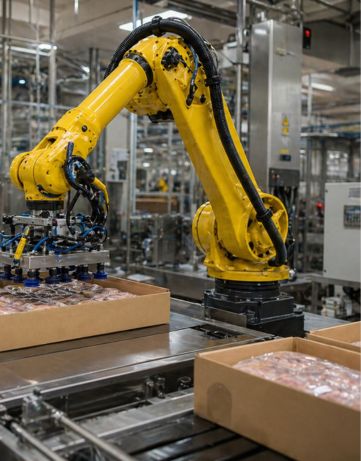
Robots are the backbone of modern manufacturing systems. They handle tasks such as:
- Welding
- Pick-and-place operations
- Assembly and fastening
Different robot types serve different purposes. Six-axis robots provide flexibility, while SCARA robots are optimized for speed and precision.
#2.Motion Control Systems
Motion systems, including actuators and drives, enable precise movement within the production environment. These components control positioning, speed, and force, ensuring accurate operations.
#3.Linear Guides
Linear guides provide stability and reduce friction during motion. Their quality directly affects precision and repeatability, making them critical for high-performance production systems.
#4.Automated Guided Vehicles (AGVs)
AGVs are mobile robots used for transporting materials across the production floor. Unlike traditional conveyors, they offer flexibility and can adapt to layout changes without major infrastructure modifications.
#5.Vision and Sensor Systems
Vision systems allow machines to detect defects, verify part placement, and guide robotic actions. Sensors collect data in real time, enabling better decision-making and quality control.
Productivity Benefits of Automation
Implementing an assembly line leads to significant improvements in operational performance.
Key Benefits
- Increased production speed
- Improved product consistency
- Reduced error rates
- Continuous 24/7 operation
Modern systems can perform tasks multiple times faster than human workers while maintaining near-perfect accuracy.
ROI: Understanding the Financial Impact
One of the most important considerations for any manufacturer is return on investment.
An automated robot assembly line requires upfront investment, but the long-term benefits often outweigh the initial costs.
ROI Formula
Payback Period = Total Investment ÷ Annual Savings
Cost Savings Breakdown
- Reduced labor costs
- Lower defect rates
- Decreased material waste
- Increased production uptime
For many businesses, automation projects achieve payback within 2–4 years, making them financially viable and strategically important.
AI Integration in Manufacturing
The introduction of ai-driven assembly line automation is transforming traditional production systems into intelligent environments.
Key Applications of AI
- Predictive maintenance
- Smart quality inspection
- Process optimization
- Adaptive robotics
AI systems analyze production data and continuously improve performance, reducing downtime and increasing efficiency.
Automotive Industry: A Benchmark for Automation
The automotive sector represents the highest level of industrial automation.
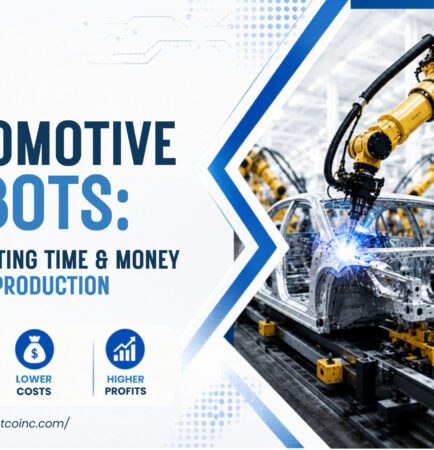
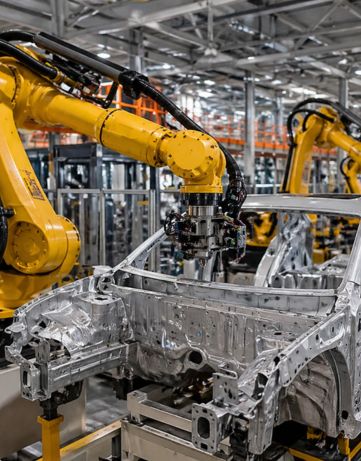
Through automotive assembly line automation, manufacturers use thousands of robots to build vehicles with extreme precision and speed.
An automated automotive assembly line integrates robotics, sensors, and software into a unified system where every step is synchronized and optimized.
This model is now influencing other industries to adopt similar automation strategies.
Implementation Strategy for Automation
Deploying an automated robot assembly line requires careful planning and execution.
Step-by-Step Approach
1. Process Analysis
Evaluate existing workflows and identify inefficiencies.
2. Goal Definition
Set clear targets for production, quality, and scalability.
3. System Design
Develop a customized solution based on operational requirements.
4. Simulation and Testing
Validate performance using digital tools before deployment.
5. Deployment
Install and integrate systems in phases to minimize disruption.
6. Optimization
Continuously improve performance using real-time data.
Challenges in Automation and Their Solutions
A. High Initial Investment
Automation requires capital, but starting with a small project can reduce risk and prove ROI before scaling.
B. Workforce Adaptation
Employees need to adapt to new roles. Training programs help workers transition from manual tasks to system monitoring and maintenance.
C. Integration with Existing Systems
New systems must integrate with existing ERP and MES platforms. Proper planning ensures smooth data flow and avoids costly delays.
Role of Data in Modern Manufacturing
Data is one of the most valuable assets in automation in assembly line environments.
Every action in the system is recorded and analyzed, enabling:
- Real-time monitoring
- Predictive maintenance
- Continuous improvement
Data-driven decision-making allows manufacturers to respond quickly to changes and maintain optimal performance.
Future Trends in Assembly Automation
Manufacturing is moving toward fully connected and intelligent systems.
Emerging Trends
- AI-powered robotics
- Smart factories
- Human-machine collaboration
- Autonomous production systems
These innovations will further enhance efficiency, flexibility, and scalability.
Conclusion
The automated assembly line is no longer just an option—it is a necessity for modern manufacturing. Companies that invest in automation gain a competitive advantage through improved efficiency, consistent quality, and scalable operations.
Starting with a focused approach allows businesses to minimize risk while maximizing returns. Over time, automation can be expanded to create a fully integrated production ecosystem.
Robotcoinc supports manufacturers at every stage of this journey, helping them transition from traditional methods to advanced, intelligent systems.
Frequently Asked Questions
Q1: What is an automated assembly line?
A system where machines and software perform production tasks with minimal human involvement.
Q2: How long does implementation take?
Small systems take a few months, while full-scale deployment can take up to two years.
Q3: Is automation suitable for small businesses?
Yes, starting with semi-automated systems can deliver quick ROI.
Q4: What industries benefit the most?
Automotive, electronics, and medical manufacturing benefit significantly.
Q5: What is the biggest advantage of automation?
Consistency, speed, and reduced operational costs.